


-

Add: HeBei ShengShi HongBang Cellulose Technology CO.,LTD.
-

Email
13180486930@163.com -

CONTACT US
+86 13180486930

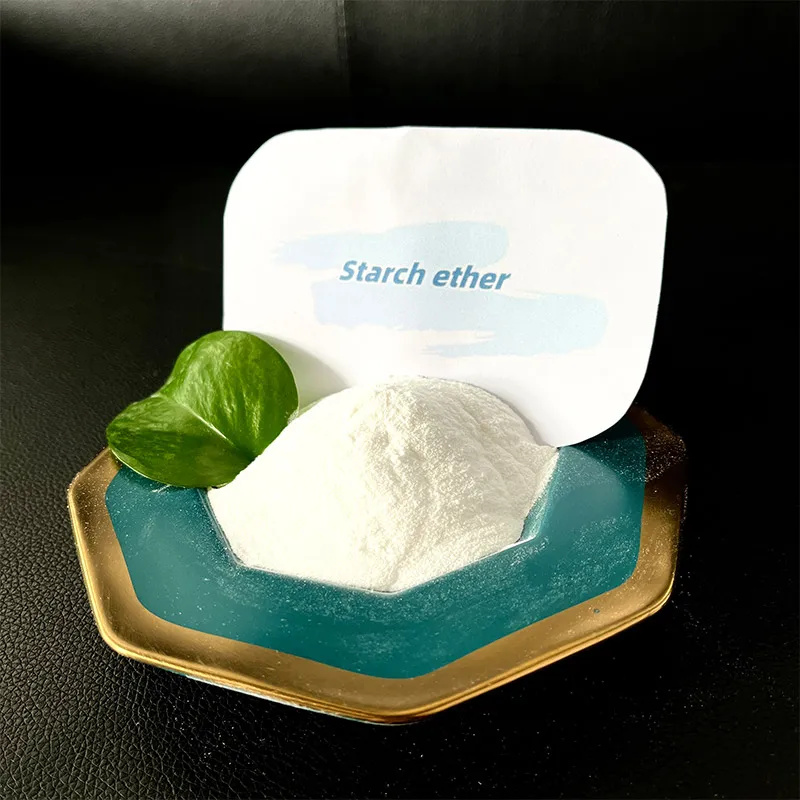


Polyolefin fibers, an essential component in the textile and manufacturing industries, have significantly gained attention due to their versatile applications and superior qualities. These fibers, derived from polymers such as polypropylene and polyethylene, offer a unique combination of properties that cater to numerous industrial needs, enhancing both product performance and durability. One of the most significant advantages of polyolefin fibers is their exceptional resistance to moisture. This property makes them an ideal choice for outdoor applications, where exposure to environmental elements like rain and humidity can quickly degrade other materials. For instance, agricultural fabrics designed to protect crops from the elements heavily rely on polyolefin fibers due to their robust water-repellent characteristics, ensuring longevity and consistent performance across seasons. Moreover, the high tensile strength of polyolefin fibers contributes importantly to their value in various industries. Their ability to withstand considerable stress without breaking or deforming makes them suitable for manufacturing high-strength ropes, fishing nets, and even geotextiles used in construction projects. This inherent strength not only extends the lifespan of the products made from these fibers but also enhances their reliability in critical applications, where failure is not an option. A prominent feature of polyolefin fibers is their inherent resistance to chemical attacks. This characteristic is particularly beneficial in environments where exposure to harsh chemicals or solvents is a concern, such as in industrial filtration systems or packaging materials. Products made from polyolefin fibers do not easily degrade when in contact with chemicals, ensuring both product integrity and safety over time. In the arena of sustainability, polyolefin fibers present a commendable profile. They are fully recyclable and contribute less to the overall carbon footprint compared to some other synthetic fibers. Their production process, largely driven by advances in polymer technology, has become more energy-efficient, allowing manufacturers to produce these fibers with reduced environmental impact. This aspect of sustainability positions polyolefin fibers favorably among environmentally conscious businesses aiming to incorporate more eco-friendly materials into their product lines. polyolefin fiber The light-weight nature of polyolefin fibers is another enticing benefit, leading to two major advantages—ease of handling and reduced transportation costs. Their low density results in lighter end products, which is particularly beneficial for applications in the automotive and aerospace industries, where weight reduction translates to improved fuel efficiency and performance. Polyolefin fibers thus contribute to overall cost savings , benefiting both manufacturers and end consumers. While the advantages are clear, incorporating polyolefin fibers into applications requires careful consideration of certain technical properties. Polyolefin fibers have a relatively low melting point compared to other synthetic fibers, which can be a limiting factor in high-temperature applications. However, this limitation is often addressed in innovative ways by blending polyolefin fibers with other materials or using them in environments where their low thermal resistance is not an issue. The expertise and authority of polyolefin fiber production have been greatly advanced by leading companies and research institutions globally. Their focus remains on refining the production processes and enhancing the fiber’s properties to meet the ever-evolving demands of the market. Extensive research and development activities ensure these fibers remain at the forefront of innovation, maintaining their status as a reliable and versatile material choice. Trustworthiness in the field of polyolefin fibers is further reinforced by strict compliance with international standards and certifications, which oversee the quality and environmental impact of these materials. Reputable manufacturers provide comprehensive data and transparency about their products, allowing consumers to make informed decisions based on verified performance metrics. In conclusion, polyolefin fibers represent a remarkable blend of performance, durability, and sustainability, making them indispensable across a variety of industrial sectors. Their distinctive properties provide tangible benefits, from extending product life to reducing environmental impacts, ensuring that polyolefin fibers will continue to be a material of choice for innovative solutions well into the future.
- 40000tons

Production
- 20+years

Experience
- 5000+㎡

Acreage

-

Innovative material engineering is transforming industrial textiles, and strategic blending of fibre natural and synthetic unlocks unprecedented durability, cost efficiency, and functionality. We specialize in bulk solutions that harness this synergy, offering premium polypropylene fiber for sale alongside other key synthetics to empower manufacturers seeking scalable, high-performance materials for demanding applications. The Science of Blending: Natural and A crylic Fib er s for Enhanced Performance Blending fibre natural and synthetic creates composite materials that transcend the limitations of single-fibre textiles. Natural fibres—like cotton, hemp, or jute—deliver breathability, biodegradability, and tactile comfort, while synthetics such as acrylic fiber or polypropylene fiber for sale contribute resilience, weather resistance, and structural integrity. For instance, integrating polypropylene into jute blends drastically reduces moisture absorption, a critical advantage for agricultural packaging exposed to humid environments. Our wholesale programmes facilitate tailored fibre ratios for diverse industrial sectors, from automotive interiors requiring flame retardancy to geotextiles demanding long-term soil stabilization. The synergy elevates tensile strength while preserving environmental goals, allowing bulk buyers to engineer region-specific solutions—like tropical-grade blends resisting fungal growth or arctic-compatible composites maintaining flexibility in sub-zero temperatures. Technical consultations accompany bulk orders, ensuring optimal performance alignment with project specifications. Leveraging Five Types of Synthetic Fibres in Hybrid Textiles Mastering the core five types of synthetic fibres —polyester, nylon, acrylic fiber , polypropylene, and elastane—is essential for designing advanced hybrid textiles. Each synthetic brings irreplaceable properties: acrylic fiber excels in thermal insulation for outdoor gear blends, while polypropylene fiber for sale offers chemical inertness ideal for medical textiles or filtration systems. Synthetic jute , engineered from polymers, replicates natural jute’s texture but enhances consistency and mildew resistance, making it invaluable for export packaging or reinforced composites. When blended with natural fibres, these synthetics mitigate weaknesses—like adding polypropylene to cotton to reduce shrinkage in industrial workwear. We supply all five synthetics in bulk quantities, supported by comprehensive technical documentation detailing attributes like thermal stability and abrasion thresholds. Real-world applications demonstrate extended product lifespans in abrasive environments, such as conveyor belts in mining or protective tarpaulins for construction. Synthetic Jute: Revolutionizing Eco-Conscious Material Blends Synthetic jute is redefining sustainable material solutions for wholesale buyers. Sourced from polypropylene fiber for sale or recycled polymers, it mirrors natural jute’s eco-appeal while eliminating variability in weight and moisture sensitivity—crucial for high-volume manufacturing. Blending synthetic jute with fibre natural and synthetic components (e.g., bamboo-polypropylene hybrids) yields tear-resistant fabrics for geotextiles or biodegradable planters. Our vertically integrated production guarantees rapid bulk order fulfillment, with options for custom enhancements like ultraviolet stabilization for outdoor furniture or antimicrobial treatments for healthcare textiles. Brands leveraging our synthetic jute report significant cost efficiencies versus pure natural fibres, without sacrificing circular-economy credentials, as these blends simplify recycling streams and reduce agricultural dependency. Strategic Sourcing: Bulk Polypropylene Acrylic Fiber and Beyond Optimizing blend performance hinges on strategic wholesale sourcing of core materials. Polypropylene fiber for sale remains indispensable for sectors prioritizing hydrophobicity and recyclability—think marine ropes, nonwoven medical fabrics, or automotive liners. We streamline bulk procurement of PP fiber alongside the full spectrum of five types of synthetic fibres , including niche-grade acrylic fiber for acoustic panels and engineered synthetic jute for circular packaging. Our global logistics network ensures reliable, large-volume deliveries to manufacturing hubs, complemented by blend-validation testing. Partnerships with us unlock R&D advantages, such as substituting cotton with synthetic jute in upholstery to minimize water-intensive processes, aligning with evolving sustainability mandates. FAQs about Fibre Natural and Synthetic How does blending natural fibres with polypropylene fiber for sale improve cost efficiency? Blending reduces reliance on price-volatile natural fibres while leveraging the economical production of polypropylene fiber for sale , yielding substantial cost reductions in bulk manufacturing without compromising functional performance. Which of the five types of synthetic fibres works best with natural jute substitutes? Synthetic jute harmonizes exceptionally with nylon for elasticity-driven applications or acrylic fiber for thermal insulation, creating versatile composites for furniture padding or technical textiles. Can acrylic fiber enhance sustainability in blended textiles? Absolutely. Acrylic fiber ’s durability extends product longevity, reducing waste. Our recycled acrylic variants further diminish environmental footprints, supporting greener bulk production cycles. What bulk quantities apply to synthetic jute orders? We accommodate scalable volumes, with competitive pricing tiers activated at threshold quantities. Custom synthetic jute blends require minimum order volumes for feasibility. How do I test blends using fibre natural and synthetic for my industry? We provide tailored sample kits for real-world performance trials, alongside certified lab analyses assessing parameters like tensile endurance and environmental degradation
-
HPMC 5 cps는 최근 다양한 산업에서 중요한 역할을 하고 있는 성분으로, 특히 제약 및 식품 분야에서 그 중요성이 날로 증가하고 있다. 이 제품에 대한 이해는 관련 전문가들뿐만 아니라 소비자들에게도 유익한 정보를 제공한다. 이 기사에서는 HPMC 5 cps의 유용성, 사용 사례 및 그 중요성에 대해 깊이 있는 정보를 제공하고자 한다. HPMC(Hydroxypropyl Methylcellulose)는 식물성 소재로부터 유래한 비이온성 셀룰로스 에테르다. 그 중에서도 HPMC 5 cps는 점도 특성을 기준으로 분류된 제품으로, 다양한 응용 분야가 있다. 점도는 cps(centipoise) 단위로 측정되며, 다소 낮은 점도의 HPMC 5 cps는 특정 응용 분야에서 요구되는 특성을 충족할 수 있다. 전 세계적으로 여러 제약 회사들은 HPMC 5 cps를 코팅 및 제형 설계에 광범위하게 활용하고 있다. 이 제품은 매우 투명한 필름을 형성하여 약물의 산화 및 열로 인한 변질을 방지할 수 있다. 또한, HPMC 5 cps는 무미 무취의 특성을 지녀 약물의 복약 순응도를 높여준다. 물에 쉽게 용해되며 안정적인 필름 형성을 통해 다양한 제형에서 약물 방출 제어에 중요한 역할을 한다. 식품 산업에서도 HPMC 5 cps는 다양한 용도로 사용된다. 이 제품은 식품의 질감 개선, 유지 및 보존력 향상을 돕는다. 특히, 저칼로리 및 식이섬유 보강 식품의 개발에 있어서 중요한 성분으로 활용될 수 있다. HPMC 5 cps는 식물성 기반의 식재료로, 비건 및 채식주의자들에게도 적합하다. 또한, 글루텐 프리 베이킹에서 탄력성과 구조를 제공하는 역할을 함으로써 제품의 품질을 향상시킨다. HPMC 5개의 CPS HPMC 5 cps는 건축용 재료로도 주목받고 있다 . 건축 산업에서는 이 제품이 건조하면서 균열이나 수축을 방지하는 데 크게 기여한다. 또한, 석고보드 접착제 및 시멘트 혼합물의 작업성과 안정성을 보장한다. 이러한 특성 덕분에 건축자재의 수명을 연장하고 유지 보수 비용을 줄일 수 있는 장점이 있다. 수년간의 연구 결과, HPMC 5 cps는 인체에 무해하며, 환경적으로도 친화적인 소재임이 입증되었다. 안정성과 비활성화로 인해 다양한 응용 분야에서 믿을 수 있는 재료로 자리매김하고 있다. 이 제품은 지속 가능성을 고려한 현대 첨단 소재로, 환경에 부정적인 영향을 최소화하면서도 필요한 기능성을 충분히 발휘한다. HPMC 5 cps에 대한 신뢰성을 확보하기 위해, 제조업체들은 국제적인 표준 및 규정을 준수하며, 고품질의 제품을 제공하고자 노력하고 있다. 이로 인해 소비자들은 안심하고 이 제품을 사용할 수 있으며, 장기적으로 안전성과 성능을 보장받을 수 있다. HPMC 5 cps는 첨단 소재로서, 그 활용 범위가 매우 넓다. 이 제품의 다양성과 적용 가능성은 현대 산업에서 그 중요성을 더욱 더 높이고 있다. 그 성능과 안전성은 이미 여러 연구와 시장에서 입증되었으며, 앞으로도 다양한 분야에서 HPMC 5 cps의 잠재력은 무궁무진할 것으로 기대된다.
advantages
-

200000 Viscosities
Excellent product
We can produce pure products up to 200,000 viscosities
-

40000 tons
High yield
We don’t stop production all year round, and the annual output can reach 40,000 tons
-

24 hours
Quality service
We provide 24-hours online reception service, welcome to consult at any time
———— Inquiry Form
Schedule A services


-
 pp_carbon_fiber
Oct . 25, 2025
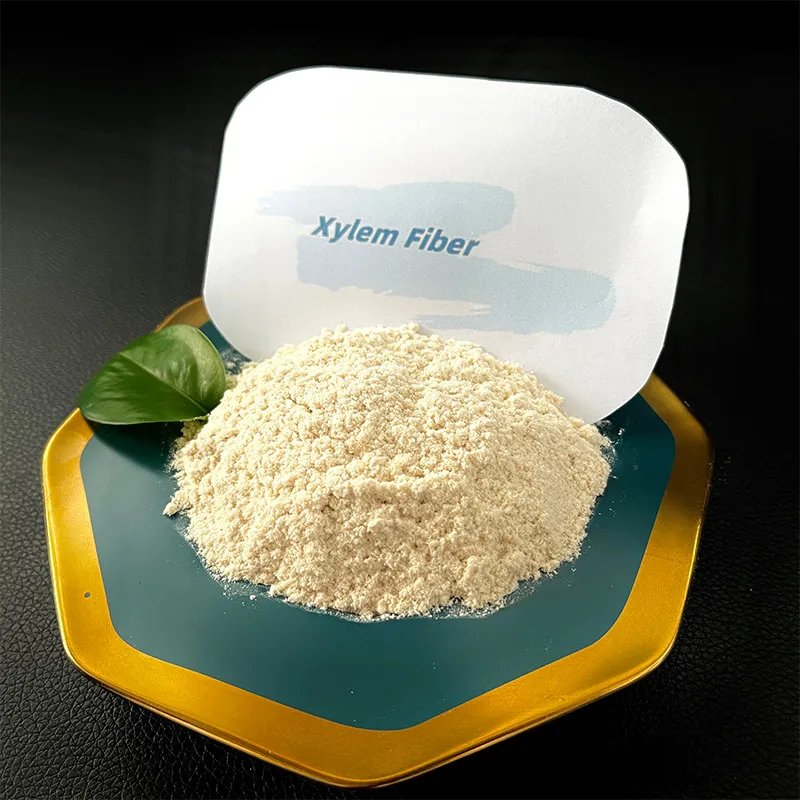
Powder rubber, an increasingly popular material in various industries, offers a myriad of applicatio -
 hydroxypropyl_methyl_cellulose_cas_number
Oct . 25, 2025
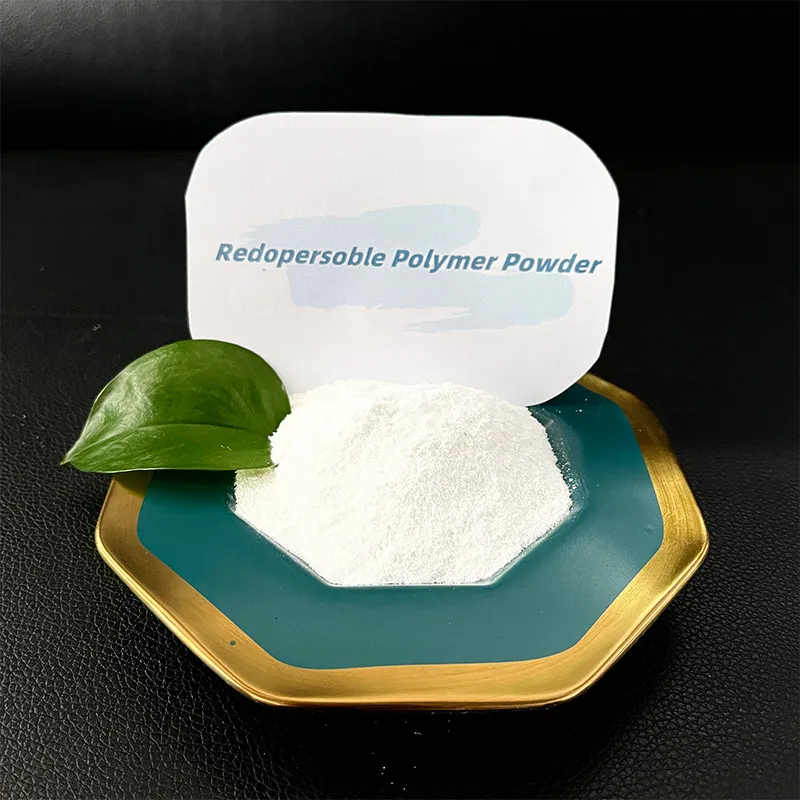
Hydroxypropyl methylcellulose (HPMC) is a synthetic polymer widely used for its versatility and appl -
 precio_de_fibra_de_polipropileno
Oct . 25, 2025
The journey of synthetic fibers began with an innovation that changed the textile industry forever t


